
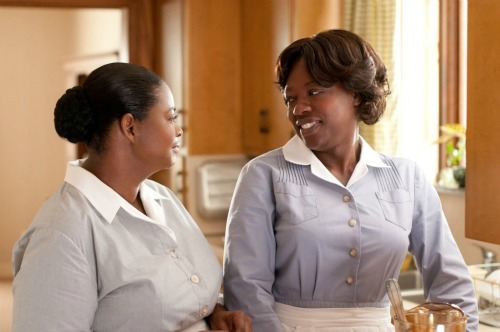
video review : The Help

This story takes place during The Civil Rights Movement; a time when it wasn’t uncommon for wealthy white husbands and wives to hire poor black people, mostly women, to help around the house. The hired help weren’t slaves. That period in American history had long passed, but racism was still very much alive. Even as maids; paid to cook, clean and practically raise their bosses babies; they were often treated with racial condescension.

A maid is fired for using the in-house bathroom, reserved for white people. Another scene has one “axing” her Ma’am for a 75-dollar advance to help pay for her son’s college tuition. “God don’t give charity to those that are well and able,” the boss says with a haughty grin, “You need to come-up with this money on your own.” But not all white people are snobs. One, an aspiring writer named Skeeter, makes it her duty to help the help.

It’s a story about a book based on a book about stories; the stories of black Mississippi maids working for upper-class white people in the 1950s and 1960s; stories we never really get to read, hear or see, because they’re hidden deep within the perspective walls of the narrative. There is, however, a main plot. While it isn’t as straight-forward as it should be; the pie humor, for one, seems out of place; it has a good deal of heart.

my rating : 4 of 5

2011
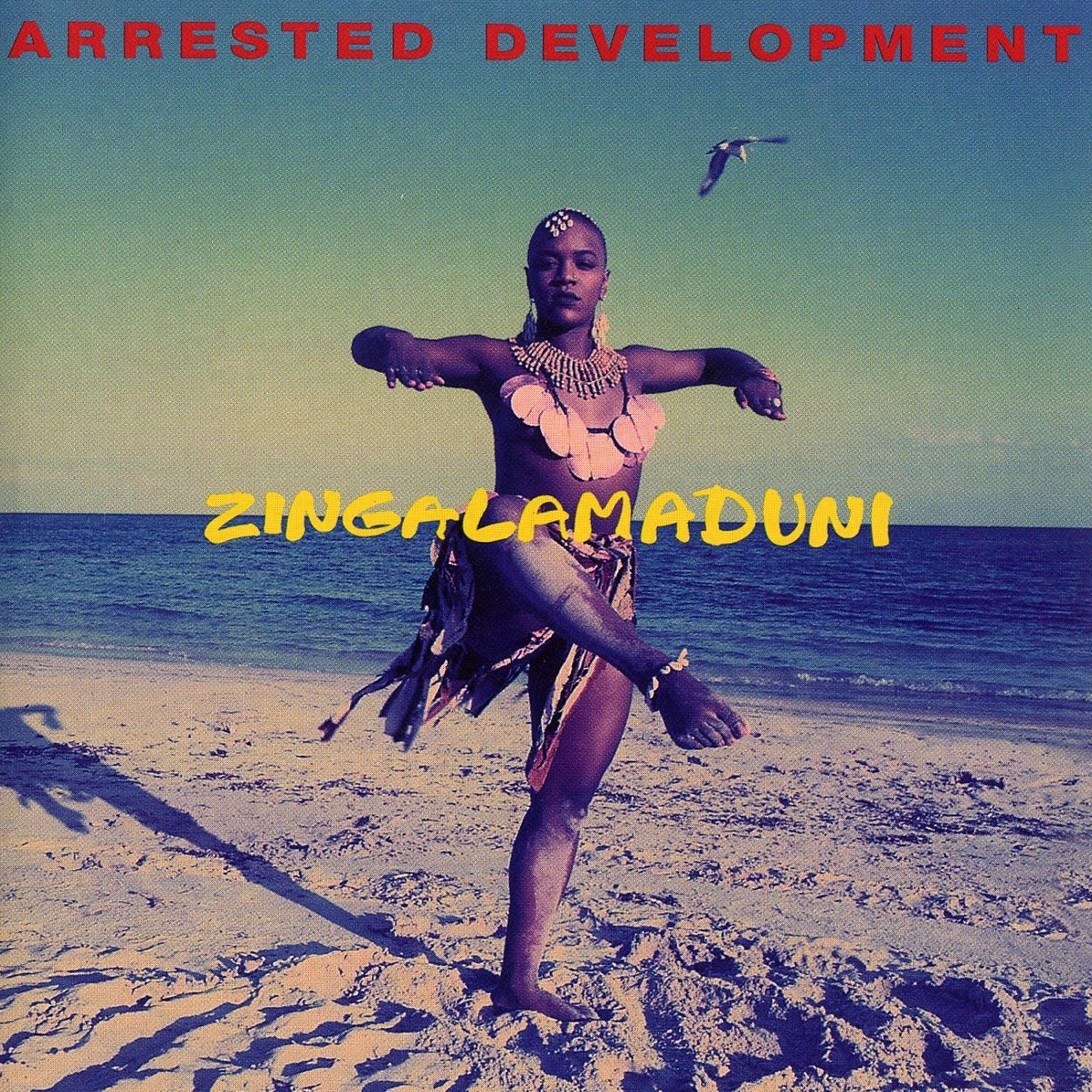
audio review : Zingalamaduni ( album ) … Arrested Development

audio review : Zingalamaduni ( album ) ... Arrested Development

You don’t have to be an advocate for Africa in order to appreciate Arrested Development. Their main objective is to uplift African people, yes, but they do it with music that’s catchy and charming enough to appeal to all races. “It’s not just race,” Speech declares on the United Minds starter song, “We’re all in this together.” That is perhaps what inspires the title; a Swahilian term he says means “a beehive of culture”.

This is the group’s second album, not including their MTV Unplugged set, and it’s considerably better than the first. The production, while still packed with stereophonic quirks and spur-of-the-moment ad-libs, is less frantic and more focused; the vocals more melodic. When Speech’s singy raps go back and forth with the (black) female voices of his sidekicks over a hip-hop soul groove, you can’t help but vibe to it.

There’s an unnecessary FM radio concept started on Baba Oje’s prelude. The fictional station is called WMFW for We Must Fight (And) Win. Having two unrelated songs with titles that both start with “United” as close to each other as they are makes for a somewhat awkward playlist. Those are relatively minor offenses though on a hip-hop album in which almost every song is musically, perhaps culturally, delightful.

my rating : 4 of 5

1994
 

ARRESTED DEVELOPMENT :

THX!